Cheaters never win.
A creative marketplace is a magnet for fraud in both directions.
Designers stealing other designers’ work and submitting it as their own. Buyers running projects with no intention of awarding, then quietly using the submitted concepts anyway. crowdSPRING had a platform, press coverage and momentum. What it didn’t have was the operational layer underneath any of it — so every dispute became a one-off negotiation, and I was the entire support operation.
The platform
Tens of thousands of designers and writers around the world, bidding on briefs from small businesses, startups and the occasional Fortune 500. Private projects hid entries from other creatives to protect proprietary work — which also made them invisible to everyone except the buyer, the participating creatives, and me.
Four pieces of operational infrastructure
The fraud-response protocol. Documented procedures for the three most common patterns, each with an investigation path, an evidence standard and a remedy — plus back-end tools so we could shut something down and gather evidence in minutes instead of hours.
The help center. The FAQ existed. It just didn’t work. I rebuilt it: two hundred-plus articles covering every dispute pattern I’d watched come through the marketplace.
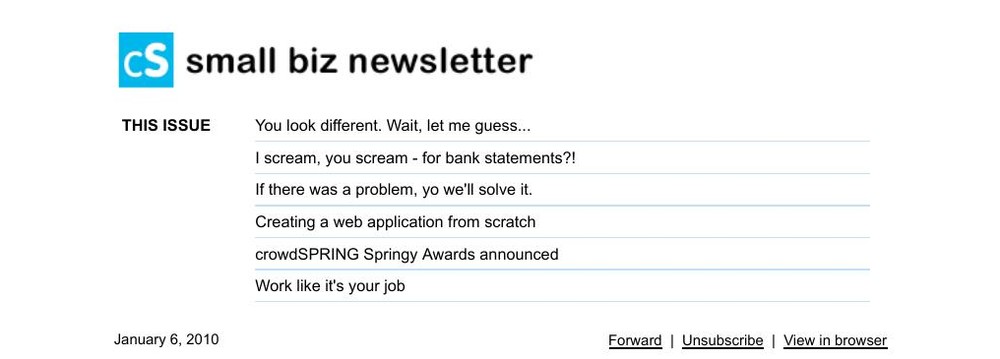
The newsletter. Bi-weekly, to a list past ten thousand. Everything else I built was procedure. The newsletter was the one place the company got to sound like a person.
The team. Hired, led and coached the support team as it scaled, working under the standards I’d written.
Educating the buyer
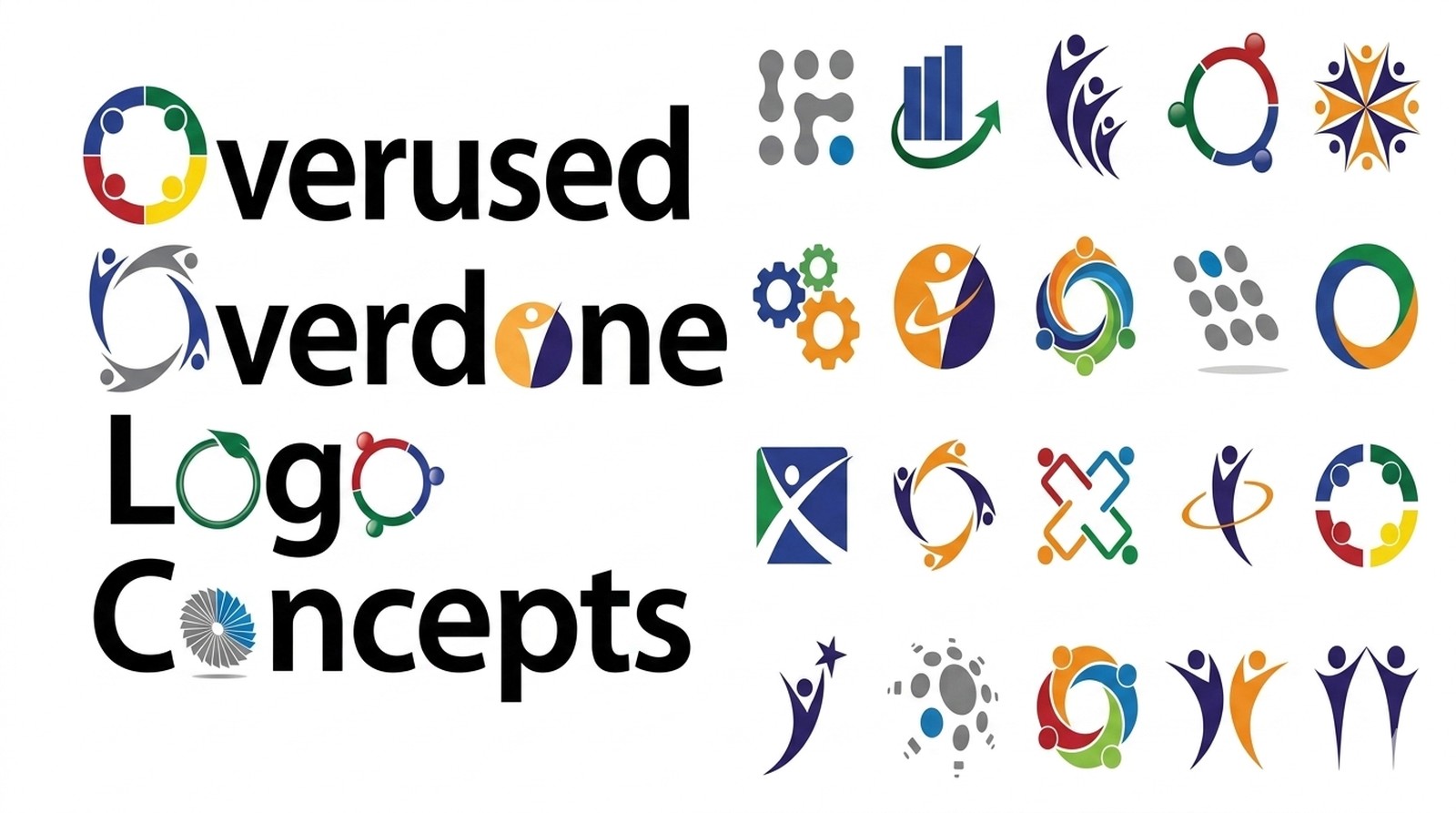
Operations stopped fraud after it appeared. The editorial program taught buyers to spot it before they picked a design — cataloguing the visual tropes scammers leaned on to fast-track fraudulent submissions. Swooshy people. Geometric shapes. Clip-art icons. Once you see the patterns, you can’t unsee them.
Resolution time on disputes went from days to hours.
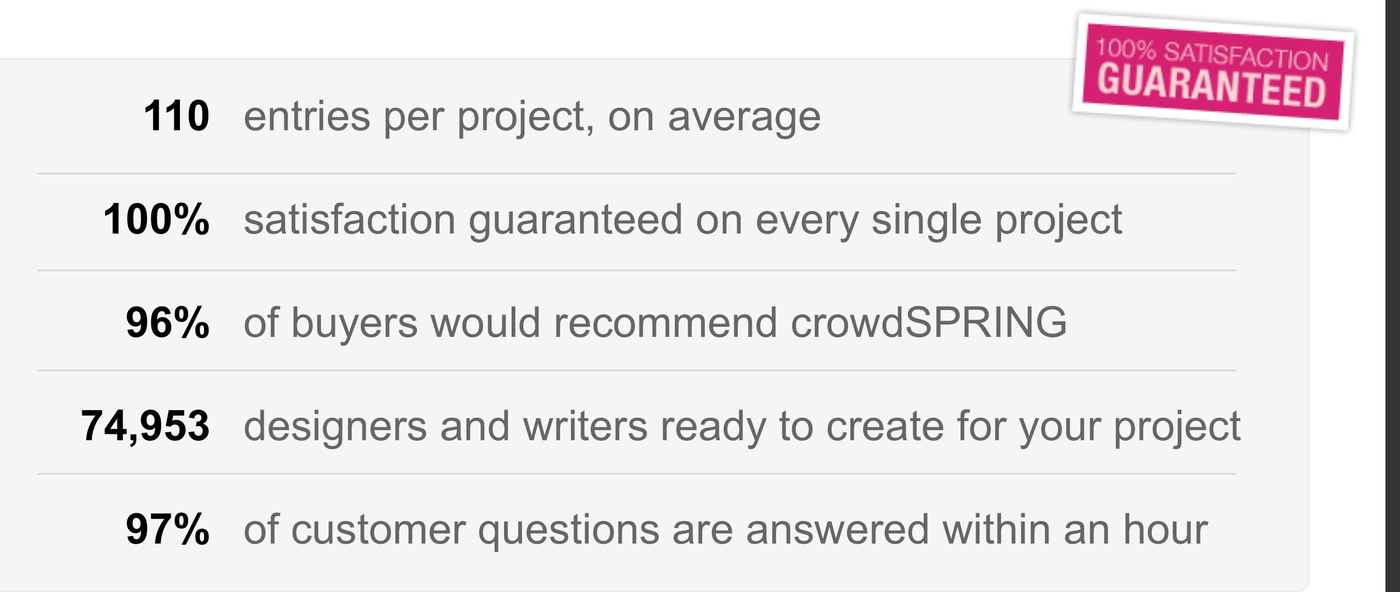
Seventy-four thousand creatives when I started. More than two hundred and twenty thousand, across a hundred and ninety-five countries, by the time I left. I did not run acquisition. I wrote everything the community actually read while it happened: the voice, the help center, the newsletter. The documentation handled the patterns. The phone calls handled the exceptions.
The long version — the fraud, the protocol, and the swooshy people
01The situation
crowdSPRING was an early creative marketplace. Tens of thousands of designers and writers around the world bidding on briefs from small businesses, startups, and the occasional Fortune 500.
It had a platform. It had press coverage. It had momentum.
What it didn't have was the operational layer underneath any of it.
Without documented standards, every dispute became a one-off negotiation. Every one-off negotiation took twice as long as it should have.
When a buyer or a creative ran into a problem, they hit a wall — or they hit me. I was the entire support operation, the one person standing between unhappy buyers and burned creatives.
02The complication
A creative marketplace is a magnet for fraud in both directions.
Designers stealing other designers' work and submitting it as their own. Buyers running projects with no intention of awarding, then quietly using submitted concepts without paying.
The platform was a haven for scammers.
A paying buyer could request that no other creatives see the entries. The feature was meant to protect proprietary work. It also made the private projects invisible to everyone except the buyer, the creatives bidding, and me.
03The work I built
Four pieces of operational infrastructure were created.
The fraud-response protocol
Documented procedures for the three most common patterns: design theft (creative submits another creative's work), buyer fraud (buyer doesn't award, uses submitted concepts anyway), and identity fraud (single user operating multiple accounts to game the platform). Each pattern had a documented investigation path, an evidence standard, and a remedy.
More importantly, tools were built into the back end for immediate response. If something looked fishy, we could shut it down and gather core evidence in minutes instead of hours.
The help center
The FAQ existed. It just didn’t work. I rebuilt it. Two hundred-plus articles covering every dispute pattern I’d watched come through the marketplace.
Buyers and creatives could self-serve answers to the questions that used to require a one-off email exchange with me. The queue for questions that didn’t get answered self-service had documented response standards.
The newsletter
A bi-weekly newsletter to the buyer and creative list, which had grown past ten thousand by the time I got there. Design fundamentals, branding case studies, platform news, and whatever else was worth reading that week. I wrote it.
This is also where the brand got a voice. Everything else I built was procedure. The newsletter was the one place the company got to sound like a person.
The team
Hired, led, and coached the support team as it scaled, working under documented standards I’d written.
04What changed
Resolution time on disputes went from days to hours.
The marketplace grew hard while I was there. Seventy-four thousand creatives when I started. More than two hundred and twenty thousand, across a hundred and ninety-five countries, by the time I left. I did not run acquisition. I wrote everything the community actually read while it happened: the voice, the help center, the newsletter.
The platform ran more efficiently. Creatives were happier. Buyers were happier. It became a place people felt comfortable doing business on — because the rules were consistent, and because the people enforcing the rules had creative experience and could provide insight beyond the documentation.
The personal touch still mattered. The documentation handled the patterns. The phone calls handled the exceptions.
05Educating the buyer
Part of the editorial program was teaching small-business buyers to recognize what generic, fraud-adjacent design actually looks like.
Once you see the patterns, you can't unsee them.
The post below is the kind of content I built into the editorial program. "Buyer Beware: Generic Logo Design."
The post catalogs the visual tropes scammers leaned on to fast-track fraudulent submissions. Swooshy people. Geometric shapes. Clip-art icons. The kind of work that looks close enough to a real logo to fool a buyer who doesn't know what to look for.
Once you've seen the patterns the post catalogs, you'll start spotting them everywhere in your daily life. Storefronts. Business cards. Restaurant menus.
The visual residue of the same problem we were solving proactively: educating buyers who didn’t know what good looked like, and helping them identify the people happy to take their money to give them not-good.